
Hotel sales representation across the GCC, Egypt and Jordan can help international hospitality brands connect with qualified buyers through market-specific sales execution, distribution relationships and a measurable commercial activation plan.
International hotels seeking sustainable business from the Middle East need more than brand awareness. They need a structured route to qualified buyers, credible distribution relationships, and a local commercial presence capable of converting introductions into measurable opportunities. The GCC, Egypt and Jordan are not a single source market. They represent different travel motivations, purchasing behaviors, booking channels and decision-making structures. Treating them as one undifferentiated territory can dilute marketing budgets and produce activity without meaningful revenue.
A hotel representation partner can bridge the distance between a property and the agencies, luxury advisors, wholesalers, corporate buyers, government-related organizations and MICE planners that influence business. The objective is not to promise instant bookings or count sales calls. It is to establish an accountable process for market intelligence, account qualification, product training, opportunity development and follow-up. For hotels without permanent teams in each country, this can offer a practical alternative to a costly immediate regional expansion.
This guide explains the commercial opportunities in Saudi Arabia, the UAE, Kuwait, Qatar, Bahrain, Oman, Egypt and Jordan; the distinct requirements of leisure and institutional buyers; the value proposition of regional representation; and how a 90-day activation can test market fit before a longer commitment. It is designed for hotel owners, commercial directors, independent luxury properties, resort groups and destination hospitality brands that want evidence-led growth.
Executive Summary: The Commercial Value of Regional Representation
- Multi-Territory Complexity: The GCC, Egypt, and Jordan cannot be treated as a single uniform territory; each outbound market features distinct buyer motivations, booking channels, and institutional procurement cycles.
- Sales Execution vs. Brand Advertising: Trade success requires structured account qualification, direct B2B buyer roadshows, and rapid contracting enablement rather than passive consumer ad campaigns.
- Segmented Buyer Pathways: Commercial yield maximizes when value propositions are customized separately for luxury leisure advisors, corporate travel managers, government delegations, and MICE planners.
- 90-Day Activation Model: A staged 90-day market activation enables hotel owners and DOSMs to test regional demand, validate account fit, and benchmark KPIs before committing to annual RSO contracts.
- Dedicated Regional Sales Office (RSO): In-market presence through Oranova Group bridges timezone gaps, nurtures buyer trust, and maintains year-round pipeline momentum across Riyadh, Dubai, Cairo, and Amman.
1. Why Hotel Representation Is Different from General Marketing
Advertising can introduce a property to potential guests, but business-to-business hotel sales require a separate discipline. A travel advisor needs to understand which clients the property suits, how to obtain a quotation and whether special requests will be handled reliably. A corporate travel manager may prioritize travel policy, negotiated terms and duty of care. A wholesaler needs clarity on rates, contracting, inventory and payment procedures. These audiences cannot be converted through a generic brand message alone. Regional representation turns a hotel’s positioning into targeted commercial conversations. A representative maps the market, identifies accounts with a relevant customer base, presents the product, collects feedback, progresses opportunities and coordinates with the hotel’s reservations and commercial teams. A strong program does not merely increase the number of contacts; it improves the quality of the relationships and makes follow-up visible. The commercial process has four stages: awareness, product fit, commercial readiness and conversion. Buyers first need to know the hotel. They then need to understand why it suits their clients. Next, they need usable terms and responsive support. Only then can an enquiry become a booking. Weakness at any stage reduces the value of activity elsewhere. For this reason, Oranova Group’s regional representation services are best understood as a sales execution function that complements marketing rather than replacing it. Hotels should evaluate representation on qualified account progression and outcomes, not on the number of brochures distributed.2. Saudi Arabia: A High-Priority but Highly Segmented Market
Saudi Arabia is important for many international hotel brands, but it should never be approached as a single homogeneous customer base. Riyadh, Jeddah and the Eastern Province have distinct commercial networks and travel patterns. Relevant segments include affluent leisure travelers, families, luxury travel clients, corporate travelers, government-related movements and incentive groups. Each segment requires different buyer relationships and sales materials. A private island resort may find its strongest partners among luxury travel designers and family travel specialists. A city hotel with substantial meeting facilities may instead prioritize corporate travel management companies, conference organizers and institutional buyers. A wellness retreat may need carefully selected advisors who understand longer-stay experiences and privacy requirements. Product presentation should answer practical questions. Can the hotel accommodate large families? Are connecting rooms or villas available? How reliable are private transfers? What are the food and beverage arrangements? How quickly can agents receive a quotation? Which experiences differentiate the property? Regional buyers need specific answers that enable confident recommendations. Sales activity should be structured by city, account category and opportunity stage. An effective representative will record which agencies are suitable, which contacts have received training, which offers have generated enquiries and where commercial objections remain. The value of a Saudi market program lies in disciplined account development, not simply in the size of an agency mailing list.3. The United Arab Emirates: Distribution Hub and Source Market
The UAE provides access to a sophisticated ecosystem of travel agencies, international wholesalers, luxury advisors, corporate travel buyers, concierge companies and destination specialists. Dubai and Abu Dhabi are valuable meeting points for organizations serving both local customers and clients across wider regional markets. This makes the UAE useful not only as an outbound source market but also as a distribution and partnership hub. Hotels should distinguish between the business a UAE-based company actually produces and the countries in which that company claims to operate. A distributor with a regional network may be relevant, but its real customer mix, sales model and hotel category expertise need to be understood. The strongest partner is not necessarily the largest; it is the one with clients who fit the property. Account strategies may include luxury advisor briefings, wholesale contracting discussions, corporate account presentations and meetings with travel designers focused on special-interest destinations. A representative should coordinate these activities to avoid duplicated outreach and inconsistent commercial messages. Hotels can strengthen UAE conversion by providing clear room-category comparisons, sample itineraries, timely offers, operational contacts and suitable imagery. The goal is to make the product easy to sell without relying on deep discounting. When the sales message reflects the buyer’s actual clientele, a smaller number of well-qualified relationships can produce more value than broad promotional exposure.4. Kuwait, Qatar, Bahrain and Oman: Selective Market Development
The other GCC markets can provide meaningful opportunities for selected hospitality products, particularly premium leisure, family travel, wellness, private accommodation and specialist destination experiences. However, demand cannot be assumed simply because a property carries a luxury label. Air connectivity, seasonality, destination familiarity, price positioning and customer preferences all influence whether an account can realistically generate bookings. Kuwait and Qatar may be relevant to certain premium leisure and family propositions. Bahrain and Oman may reward focused engagement with established specialist agencies and corporate networks. These are market hypotheses that must be validated through meetings and feedback, rather than fixed promises about production. A cost-effective representation program should classify each country according to the hotel’s fit, existing distribution and potential account base. Priority should go to agencies with demonstrable destination interest, relevant clientele and a workable commercial process. Some markets may justify regular in-person calls; others may be served initially through carefully planned virtual training and selective visits. The principle is simple: coverage is not the same as penetration. Being present in six GCC countries means little if the hotel cannot identify which buyers are engaged, what opportunities they control and how those opportunities will be advanced. A disciplined market map is more useful than an impressive but unqualified contact count.
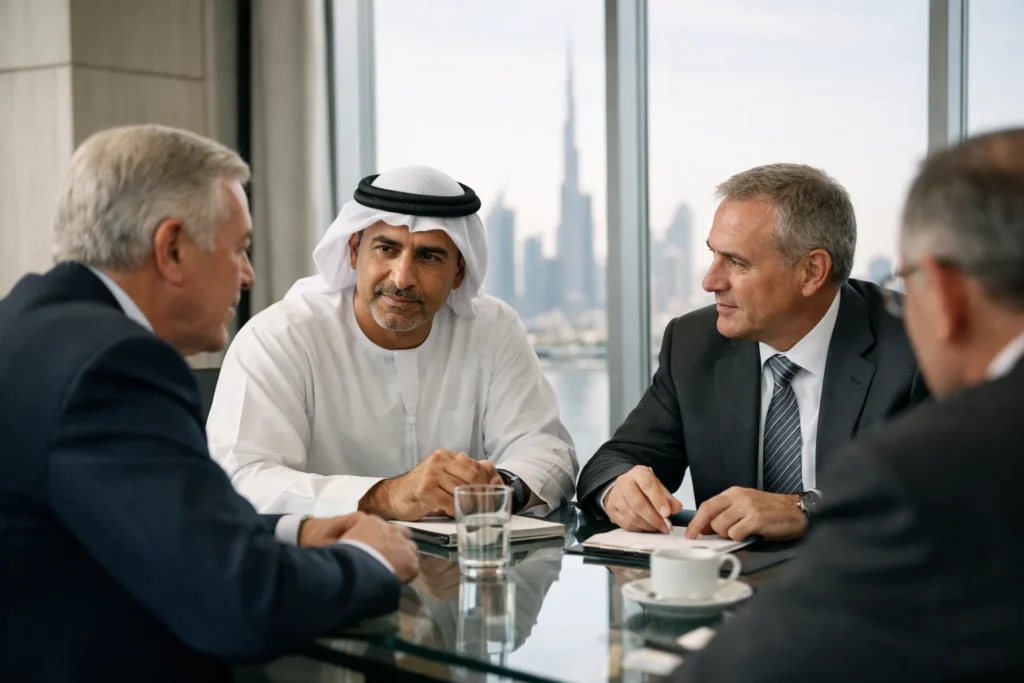
Strategic B2B hospitality marketing and account mapping across Saudi Arabia, the UAE, Kuwait, Qatar, Egypt, and Jordan coordinates targeted sales outreach.
| Regional Market | Key Commercial Hubs | Dominant Buyer Segments | Optimal Product Positioning |
|---|---|---|---|
| Saudi Arabia | Riyadh, Jeddah, Al Khobar | Royal family offices, government ministries, luxury leisure advisors, PIF corporate accounts. | Full-floor suite buyouts, luxury beachfront villas, high-privacy safari lodges. |
| United Arab Emirates | Dubai, Abu Dhabi | Global travel wholesalers, luxury DMCs, expatriate executive corporate travel managers. | Direct wholesale connectivity, dynamic rate parity, premium business and leisure packages. |
| Kuwait & Qatar | Kuwait City, Doha | High-net-worth family travel planners, sovereign wealth corporate travelers, wellness advisors. | Extended-stay family suites, private island retreats, medical and holistic wellness resorts. |
| Egypt | Cairo, Alexandria | Commercial leisure tour operators, multinational corporate accounts, regional MICE organizers. | Value-engineered group rates, conference packages, structured seasonal leisure charters. |
| Jordan | Amman | Relationship-driven family agencies, corporate MICE buyers, regional NGO and institutional travelers. | Tailored leisure itineraries, specialized medical travel, executive boardroom meetings. |
5. Egypt: Building a Qualified Leisure and Corporate Pipeline
Egypt adds another dimension to Middle Eastern hotel representation. Its outbound travel ecosystem includes leisure agencies, tour operators, corporate travel intermediaries, event organizers, specialist planners and businesses serving premium family travelers. Cairo provides a practical center for commercial engagement, while account relevance should be assessed against the hotel’s destination, category and guest profile. Egyptian partners may require detailed product education before actively selling an unfamiliar hotel. Effective materials include room and suite comparisons, destination access information, family policies, sample itineraries, seasonal packages, group conditions and a direct channel for quotations. A short presentation followed by consistent follow-up often has greater value than a mass distribution of promotional offers. Commercial realities matter. Travel requirements, airline connections, currency conditions, customer budgets and seasonal patterns can affect which destinations and hotels are attractive. These variables change and should be checked rather than assumed. A hotel should test its proposition with qualified agencies and review the enquiries generated before expanding promotional spending. Corporate and MICE buyers should be treated separately from leisure sellers. They may require meeting-space specifications, negotiated terms, group handling arrangements, payment processes and a clear service commitment. Mixing all segments into a single campaign can obscure which part of the market is responding. The strongest Egyptian strategy combines local market knowledge with precise buyer segmentation. It aims to develop a manageable pipeline of relevant accounts, supported by practical information and reliable hotel-side response times.6. Jordan: Relationship-Driven Opportunities
Jordan offers opportunities through travel agencies, specialist operators, corporate buyers and event planners, with Amman serving as an important center for commercial engagement. For international hotels, the market can complement wider GCC and Egyptian coverage, provided the product matches the customers and destinations served by local intermediaries. A relationship-led approach is particularly important when the most relevant buyer network is concentrated. Instead of contacting every agency, the representative should identify partners whose client base fits the hotel’s category and location. Product training, tailored offers and consistent follow-up help turn awareness into confidence. An effective presentation should explain the hotel’s practical differentiators: access, room configuration, service model, destination experiences, meeting facilities and guest suitability. Broad claims of exceptional luxury are less persuasive than clear reasons a travel advisor can use when making a recommendation. Jordanian account development should be measured by progression. A first meeting is the beginning of a relationship, not a commercial result. Subsequent stages include product understanding, requests for quotations, trial itineraries, contracting discussions, confirmed business and repeat production. The representative’s responsibility is to maintain momentum and communicate barriers to the hotel’s team.7. Segment Strategy: FIT, Luxury, Corporate, Government, Weddings and MICE
One of the most important advantages of a regional representation partner is the ability to separate buyer segments and tailor the value proposition to each. FIT travel often requires quick quotations, accessible packages, flexible booking conditions and clear destination information. Luxury advisors focus on privacy, service personalization, distinctive experiences and confidence that demanding guest preferences can be fulfilled. Corporate travel is driven by business relevance, negotiated value, traveller support and consistency. Government and institutional travel may involve formal procurement procedures, compliance requirements, group handling and longer approval cycles. Representation can facilitate appropriate introductions and information exchange, but no relationship should be presented as a guarantee of a contract or booking. Wedding planners and celebration specialists evaluate venues, privacy, accommodation blocks, food and beverage options, suppliers and event coordination. A dedicated wedding fact sheet is more effective than a generic leisure brochure. MICE buyers assess meeting capacity, audiovisual infrastructure, transport, delegate experience, room inventory and proposal turnaround. Different segments also require different sales rhythms. A luxury advisor may benefit from personalized product immersion. A corporate account may need a structured proposal and periodic rate review. An event planner may require site inspection support and a clear escalation path. The representation strategy should define the account owner, next action and success criteria for each segment. Hotels can explore Oranova Group’s sales services to understand how targeted B2B execution can support differentiated market approaches. The central lesson is that a single message cannot effectively serve every potential buyer.8. Distribution Readiness: What Hotels Must Prepare Before Sales Begin
Representation cannot compensate indefinitely for missing commercial fundamentals. Before entering a new market, the hotel should review its target customer profile, available room categories, rate structure, preferred contracting models, group thresholds, cancellation rules, payment arrangements and reservations response times. Buyers need confidence that the hotel can deliver what its representative promises. Product materials should be concise but complete. A property overview, room and suite comparison, meeting or event specifications where applicable, destination access guide, image library and clear contact details are often more useful than a long generic presentation. For specialist luxury products, a sample itinerary and explanation of signature experiences can improve product understanding. Distribution strategy should also account for channel economics. A booking generated through a wholesale partner may carry different costs and operational requirements from a direct corporate agreement or luxury advisor referral. Hotels should assess net contribution and channel suitability rather than pursuing volume at any price. Regular coordination between the representative, hotel sales team, reservations and revenue management is essential. If agencies repeatedly report slow replies or unclear terms, the representative should raise the issue and agree on corrective action. Market intelligence becomes commercially useful only when it leads to decisions. Account data should be handled responsibly, with personal information collected and shared only where justified and in line with applicable privacy requirements. A practical CRM pipeline can record organization-level account status and next steps without unnecessarily exposing private customer details.9. Sales Missions, Roadshows and Account Engagement
Sales missions can accelerate market development by concentrating qualified buyer meetings within a defined period. Their effectiveness depends on preparation. The representative should select accounts with a credible fit, agree on objectives for each meeting and ensure the hotel has suitable materials and a follow-up process. An impressive meeting count does not automatically represent a productive mission. Different formats suit different goals. Private luxury advisor appointments may be appropriate for boutique resorts. Corporate roundtables can help business hotels reach relevant procurement professionals. A focused product workshop may work better for agencies unfamiliar with a destination. Larger roadshows can support awareness, but their cost should be evaluated against audience quality and the resources available for follow-up. Post-event execution is critical. Within a reasonable agreed timeframe, each relevant buyer should receive the promised information, an identified point of contact and a clear next step. Follow-up may involve a rate proposal, product training, a contracting discussion, an inspection opportunity or a trial itinerary. A shared pipeline allows hotel leadership to see which introductions are progressing. It also helps distinguish buyer interest from actual business. Existing coverage of B2B travel sales missions in Saudi Arabia offers a complementary view of how targeted regional activity can be structured. The real value of a sales mission is not the event itself. It is the commercial process created before, during and after the meetings.
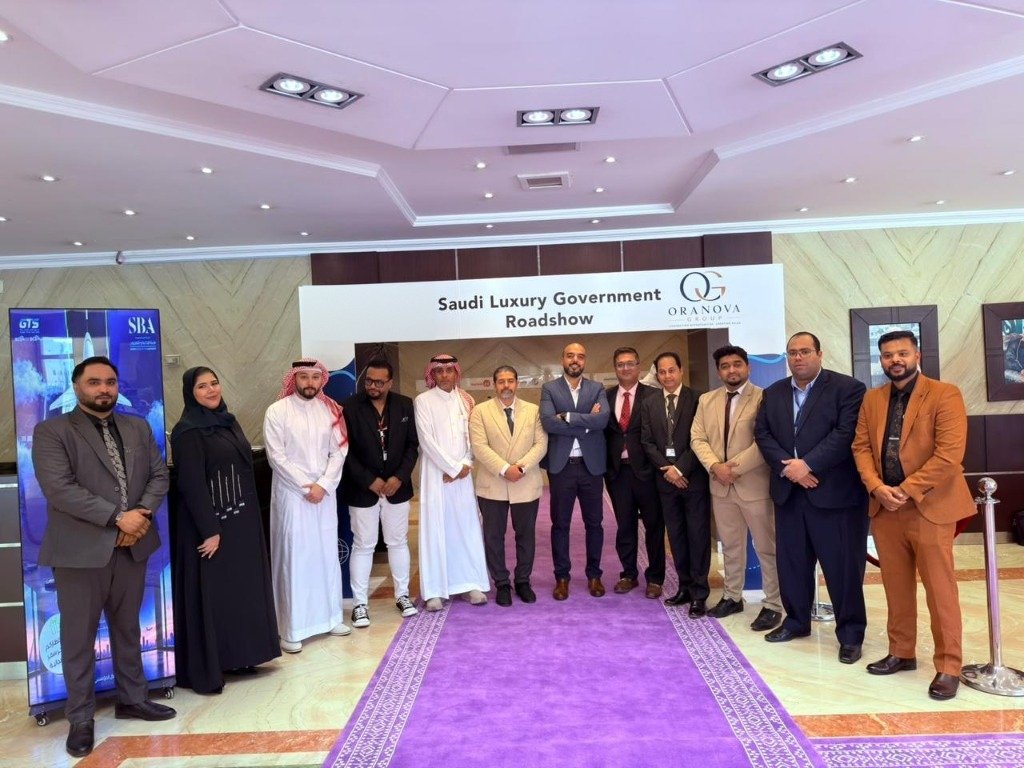
Targeted in-market B2B travel trade roadshows and private boardroom appointments connect visiting hotel delegates with accredited Middle East buyers.
10. A 90-Day Commercial Activation Before a Long-Term Contract
Hotels should not necessarily commit to an annual representation arrangement before testing their regional market fit. A structured 90-day activation can provide an evidence-based starting point. It should have a defined geographic scope, priority segments, agreed activities, reporting cadence and clear KPIs. The objective is to establish whether qualified opportunities exist and what resources are required to develop them. Days 1 to 30 should focus on diagnosis and preparation. Review current market production, existing distribution partners, competitive positioning and product readiness. Build a prioritized account list across selected GCC markets, Egypt and Jordan. Prepare segment-specific messaging and agree on how enquiries will be handled. Baseline data should be documented wherever available. Days 31 to 60 should focus on activation. Conduct targeted outreach, buyer meetings and product training. Capture account feedback and commercial objections. Identify contracting opportunities and any changes needed in sales materials, rates or response processes. A high-quality meeting should end with a defined next action rather than a vague promise to stay in touch. Days 61 to 90 should focus on progression and review. Follow up on proposals, support trial bookings where feasible, assess the quality of the pipeline and identify which segments show the strongest response. Some luxury and group travel opportunities have long lead times; a 90-day review should therefore distinguish early indicators from confirmed production. At the end of the period, the hotel can decide whether to expand coverage, focus on selected segments, revise its proposition or postpone further investment. This approach reduces the risk of paying for an extensive annual program without first understanding how the market responds.11. KPIs and ROI: Measuring Commercial Value
A representation report should make it easy to distinguish activity from results. Activity indicators include qualified meetings, product presentations, account follow-ups and contracting discussions. Pipeline indicators include active opportunities, proposal requests, trial bookings and accounts progressing to the next stage. Outcome indicators include attributable confirmed room nights, revenue, repeat business and net contribution where reliable data is available. Metrics need context. A high meeting count may be of limited value if the accounts are irrelevant. A smaller number of well-matched luxury or corporate buyers may represent stronger potential, even when their sales cycle is longer. Revenue figures should never be invented, and forecasts should be clearly separated from confirmed results. Reporting can group performance by country, buyer segment, account stage and next action. It should highlight barriers that the hotel can resolve, such as response delays or contracting questions. A simple dashboard that is updated consistently is more useful than a complex report that requires extensive manual data entry. ROI analysis should consider the cost of representation, travel, events, promotions, commissions and hotel-side resources against incremental net contribution. Relationship development and market intelligence may have long-term value, but these benefits should be described separately rather than disguised as booked revenue. Commercial transparency builds trust. Both parties should agree on attribution rules, review frequency and the evidence needed to justify extending the partnership.12. Oranova Group’s Value Proposition for International Hotels
Oranova Group’s value proposition is regional sales execution built around the needs of each hospitality brand. Rather than treating the GCC, Egypt and Jordan as one generic market, the approach emphasizes country-level account selection, relevant buyer segmentation, targeted engagement and disciplined follow-up. This is particularly valuable for independent hotels and resort groups that need commercial access without immediately building full in-house teams across multiple countries. The representative’s role is to help a hotel identify the right buyers, communicate its strongest differentiators, understand market feedback and move qualified opportunities forward. Activities may include account mapping, direct sales calls, tailored product presentations, selected sales missions, trade relationship development and structured reporting. The program should be aligned with the hotel’s pricing, distribution strategy and operational capabilities. The emphasis is on practical outcomes rather than promises of guaranteed production. A 90-day activation offers a way to test market suitability, learn from buyer responses and determine whether a longer commercial arrangement makes sense. Clear deliverables and measurable KPIs support that decision. International hospitality brands can review why work with Oranova Group and explore the company’s wider representation and destination expertise. The strongest partnership begins with a clear discussion about target markets, guest profiles, commercial readiness and the outcomes the hotel needs to achieve.Conclusion: From Regional Visibility to Qualified Demand
The GCC, Egypt and Jordan offer diverse commercial opportunities, but growth requires more than occasional trade visits or broad email campaigns. Hotels need a segmented account strategy, buyer-specific messaging, consistent follow-up and a clear understanding of how distribution relationships translate into enquiries and confirmed business. A regional representation partner can make that process more structured and manageable. By focusing on market fit, sales execution and transparent reporting, hotels can build commercial knowledge while testing where their strongest opportunities lie. The right first step is not an unsupported promise of immediate revenue; it is a practical activation plan with defined scope and measurable milestones.Accelerate Your Regional Hotel Revenue with Oranova Group
Whether you are evaluating a 90-day regional market entry or seeking permanent B2B sales representation across the GCC, Egypt, and Jordan, Oranova Group connects your property directly with qualified travel buyers and decision-makers. Explore our turnkey commercial representation models.
Schedule a Regional Commercial Consultation